
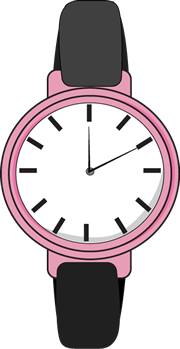
The clock is a device used to indicate the time, it arose from the need to measure intervals of time shorter than natural units: such as the day, the lunar month, and the years.
Man began to measure time by the apparent displacement of the Sun giving rise to the sundial. Later, the Egyptians built hourglasses, instruments that allowed sand to pass from one container to another in a certain period of time.
Devices that operate in different physical processes have been used over time to indicate the time, devices that ended up on clocks today.
Currently, wristwatches are usually classified as mechanical (for analog models) and quartz (for digital and analog models).
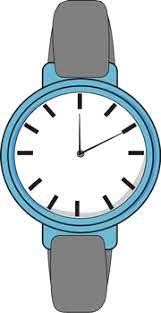
Analog models are those that only have hands to indicate the hours, minutes and in some cases seconds, as well as the day of the month and week.
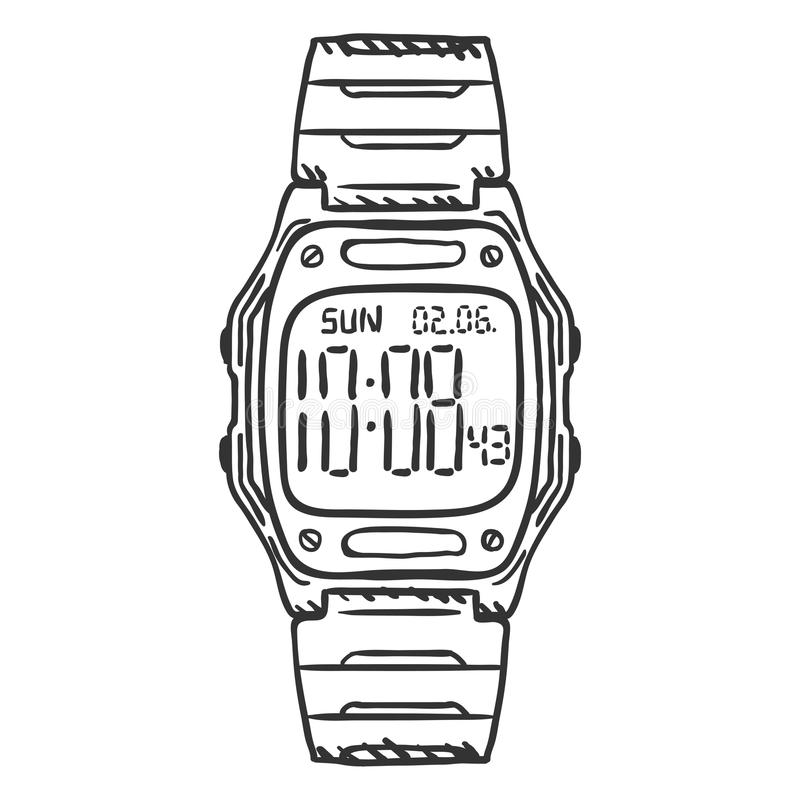
Digital models are a type of clock that uses electronic means to control the time. It uses a piezoelectric crystal, capable of generating electrical pulses at a constant frequency (usually 50 or 60Hz). Because it is a reasonably cheap and simple device, they are associated with several other electronic devices.
Mechanical watches can be manual or automatic, but they have mechanisms that depend on some external stimulus to keep them running.
Manual mechanical watches are the ones that you need to wind up to turn your gears. Already watches with automatic mechanical movement need only the natural movement of your wrist to keep running through a rotor, which in turn moves the gears of the watch.
Quartz watches have a movement in which a battery supplies power to an integrated circuit. This circuit causes vibrations in the quartz crystal which, in turn, moves the gears and hands, making it an extremely precise mechanism.
How long does a quartz watch battery last?
It depends. Usually a battery lasts for 2 years. Consumption varies depending on the type of watch and the functions it has, such as chronograph, sensors, type of lighting, etc. Currently there are watches that have solar charging technology (through a photoelectric cell) that powers a capacitor (instead of using a battery).
Within this basic classification between mechanical and quartz watches, there are other subtypes of classification, such as social watches, sports watches, etc. but this will be the subject of our next post.